Turtle Rock Coffee
A Lisbon coffee walk with a product that travels home.
Turtle Rock starts with a Lisbon morning, then gives each guest a personal Azulejo: a coffee memory that keeps growing through tastings, brew notes, a saved shelf, and careful recommendations.
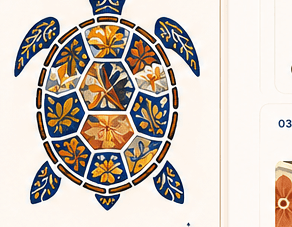
The Azulejo is the public artifact: the thing a guest can see, keep, and build after the walk ends.
How Turtle Rock works
The tour gives the story. The product keeps it useful.
Coffee recommendations usually start with a quiz. Turtle Rock starts with lived tasting moments: what someone noticed in a cup, how they brewed it later, and which bags earned a place on their shelf.
Step 1
Taste in Lisbon
A guided morning gives the coffee context: neighborhood counters, classic rooms, new roasters, and the flavors guests actually notice.
Step 2
Keep tasting at home
Brew notes and library entries keep the memory practical, so a bag is more than a receipt or a forgotten photo on a phone.
Step 3
Find the next bag
Recommendations stay conservative: a shortlist that can respond to the Azulejo without pretending the product knows more than it does.
Product suite
Four tools, one coffee memory.
Tasting Lab, Brew, Library, and Shop each have a clear job. The return point is /home, where the user can see what to do next.
/taste
Tasting Lab
Short guided tastings turn descriptors into a coffee fingerprint.
/brew
Brew
Recipes, timers, and ratings help the same coffee make sense at home.
/library
Library
The shelf remembers saved bags, brew history, and what is still open.
/shop
Shop
A small Portuguese coffee shortlist connects discovery to what the user has tasted.
Community posture
Built with the Lisbon coffee community.
Turtle Rock is designed for roasters, cafes, hospitality operators, and culture teams who want a coffee experience that travels home with the guest. No live commercial commitments are claimed here; this is the conversation shape.